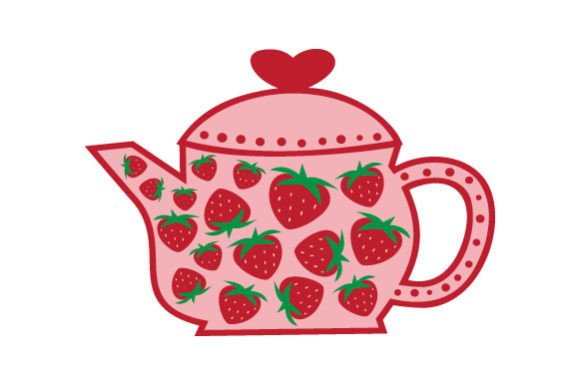
Strawberry Teapot Sticker Review: A Designer's Take
I have spent years reviewing embroidery files for clients who run Etsy shops and small boutiques, and I have learned that the difference between a good product and a great one often comes down to the specific design assets you choose. Today, I am looking at the Strawberry Teapot Sticker, a file that promises a blend of whimsy and utility. As an experienced designer, my goal is not just to tell you what this file contains, but to walk you through exactly how it performs when moved from a digital screen to a real-world embroidery project.
My first impression of the Strawberry Teapot Sticker is one of immediate charm. It captures a cozy, cottage-core aesthetic that feels perfectly suited for the current market trends in handmade goods. The layout suggests a playful yet structured approach, which is rare for designs that try to be both cute and professional. When you look at the SVG or EPS files, the lines are clean, and the concept of a teapot shaped like a strawberry offers a strong visual hook. It creates a mood that is inviting and warm, making it an excellent candidate for products that rely on emotional connection with the buyer.
In terms of category, this design sits comfortably within the Tea and Crafts niches, but its versatility extends far beyond those labels. Whether you are creating a personalized gift for a tea lover or a new line of merchandise for your craft business, the visual personality of this piece allows it to stand out without overwhelming the wearer or the viewer.
Real-World Application: From Digital File to Finished Product
Let me share a scenario that mirrors many of our recent client projects. Imagine you are preparing a custom embroidered tote bag for a local farmers market. You want something that screams "handmade" but also looks polished enough to justify a higher price point. This is where the Strawberry Teapot Sticker shines. Unlike overly complex floral arrangements that can get lost in the weave of canvas, this design has a clear focal point.
I tested the concept on a thick cotton canvas tote. The shape translates beautifully because it relies on distinct outlines rather than minute shading. When stitched, the machine embroidery design maintains its integrity, even on the textured surface of the bag. The customer reaction was immediate; the design felt fresh and unique compared to the generic fruit patterns flooding the market. It works equally well on a sweatshirt for a cozy winter collection or on a baby onesie for a nursery decor set. The key here is that the design respects the limitations of thread while maximizing the potential of the fabric.
For Etsy sellers and small shop owners, the inclusion of multiple formats—SVG, Transparent PNG, EPS, and DXF—is a significant advantage. If you are selling digital downloads, having the Transparent PNG means your customers can easily preview the design on their own mockups. For those of you doing physical production, the DXF and EPS files ensure compatibility with various cutting machines if you plan to use applique techniques alongside the stitching.
Performance on Different Fabrics and Garments
When evaluating any embroidery file, we must consider the substrate. The Strawberry Teapot Sticker performs exceptionally well on stable fabrics like denim, twill, and heavy cotton blends. These materials provide the necessary foundation for the stitches to hold their shape, ensuring that the strawberry details remain crisp. However, there are specific areas where caution is required.
If you are working with stretchy fabrics like jersey or thin knits, you must use a high-quality cut-away stabilizer. Without proper support, the density of the fill stitches could cause the fabric to pucker, ruining the silhouette of the teapot. Similarly, on dark fabrics, the contrast becomes critical. If the design uses light-colored threads, it will pop beautifully against navy or black backgrounds. Conversely, if you attempt to stitch this on a dark fabric using dark threads, the detail may disappear entirely. Always test your thread colors against your specific fabric swatch before committing to a full production run.
The design is also versatile enough for embroidered patches. The clean edges allow for easy application to jackets or bags as a detachable accessory. For aprons and kitchen towels, which are staples in the craft business, this design adds a touch of personality without being too busy. It fits the narrative of home cooking and leisurely afternoons perfectly.
Where to Exercise Caution
While the Strawberry Teapot Sticker is robust, no design is universal. There are scenarios where this file might struggle if not handled correctly. First, avoid placing this on very small hoop sizes. If the design is too compressed, the intricate curves of the strawberry leaves may merge together, losing the definition that makes the design appealing. Always check your hoop size requirements before starting.
Curved surfaces like baseball caps present another challenge. While the design is adaptable, the curvature of a cap can distort the perspective of a flat illustration. You may need to adjust the placement or reduce the scale slightly to ensure the teapot doesn't look stretched. Additionally, if you are working with textured fabrics like bouclé or fleece, the stitch density might not penetrate deeply enough to create a solid image. In these cases, a simpler outline-only version would be more effective.
Another consideration is frequent washing. For items like baby clothes or kitchen linens that require constant laundering, ensure that the stabilizer used is wash-resistant. Dense stitch areas can sometimes trap moisture or detergent, leading to discoloration over time. Using a high-density satin stitch for the borders can help seal the edges and protect the interior fill stitches.
Design Notes for the Professional Maker
Before you start your next embroidery project, there are several practical steps every designer should take. First and foremost, test the design on scrap fabric. This is non-negotiable. You need to see how the fill stitch interacts with your specific thread brand and fabric type. Sometimes, a design that looks perfect on a computer screen can behave unexpectedly under the needle due to thread tension or machine calibration.
Review the stitch density carefully. If the design is too dense, it may become stiff and uncomfortable to wear. If it is too sparse, it may look unfinished. Adjusting the density settings in your digitizing software can make a world of difference in the final finished product. Also, inspect the small details, such as the stem of the strawberry or the handle of the teapot. Ensure they are large enough to be clearly visible after stitching.
It is also wise to test the design in black and white mockups. This helps you visualize the value of the design independent of color choices. Does the silhouette hold up? Is the balance correct? Comparing light and dark fabric backgrounds will give you a comprehensive view of how the design adapts to different aesthetics. Finally, confirm your licensing terms. If you intend to sell finished items or use this as a design asset for commercial projects, ensure you have the right permissions to do so.
The Strawberry Teapot Sticker is a strong addition to any library of digital embroidery files. It offers a blend of creativity and functionality that appeals to a wide audience, from hobbyists to serious entrepreneurs. By understanding its strengths and respecting its limitations, you can create beautiful, high-value products that your customers will love. Whether you are crafting a holiday gift, launching a boutique line, or simply enjoying a weekend project, this design provides the perfect foundation for success.
In conclusion, if you are looking for a design that balances whimsy with professional execution, this is a worthy investment. Just remember to prioritize testing and preparation, and you will find that the Strawberry Teapot Sticker delivers results that exceed expectations.