Kawaii Teacup Sticker Embroidery Review
I have spent years reviewing digital assets for my own boutique line and for clients who run busy Etsy shops. When I see a new file pop up, my first instinct isn't to look at the download button; it is to imagine how that design will behave under the needle of an embroidery machine. Today, I am putting Kawaii Teacup Sticker through its paces to see if it holds up in real-world scenarios or if it belongs strictly in the "digital folder" pile.
The immediate mood this design creates is one of cozy warmth. It feels like a quiet Sunday morning with a warm beverage in hand. The aesthetic leans heavily into the cute factor, which is perfect for specific niches but requires careful consideration before committing to a production run. As a designer, I appreciate that the core concept is simple yet distinct. It does not try to be everything to everyone, which is often where designs fail.
Visual Personality and Design Integrity
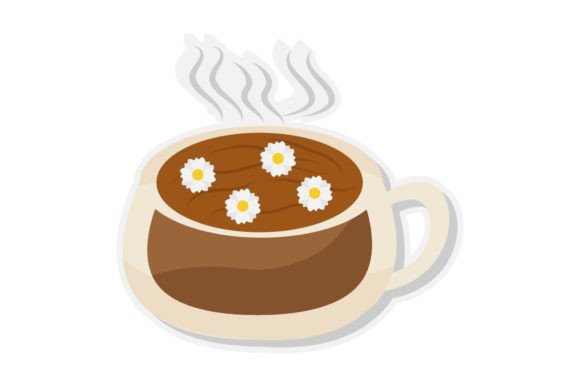
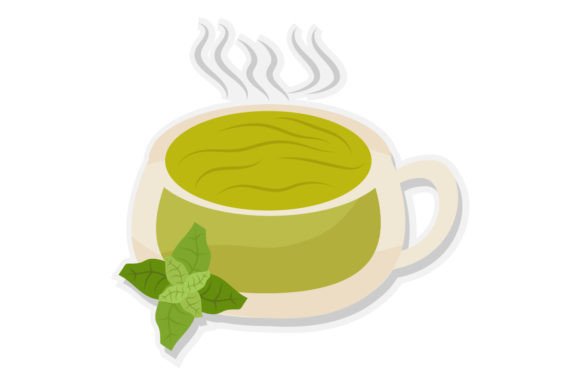
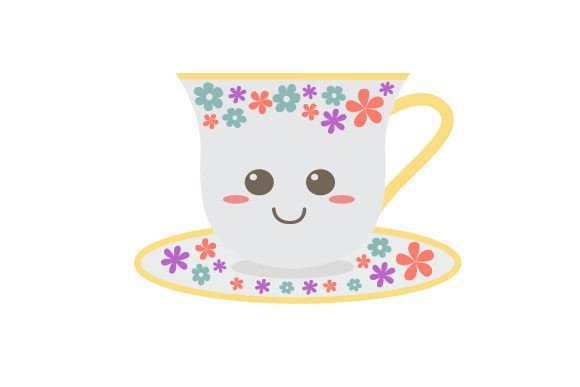
The Kawaii Teacup Sticker relies on clean lines and a friendly silhouette. In a world of overly complex floral patterns and intricate landscapes, simplicity can sometimes get lost, but here, the shape speaks for itself. The layout suggests a sticker-like quality, which translates well to applique work or even as a standalone satin stitch element.
When I first loaded the file into my digitizing software, I checked the stitch density immediately. For a design meant to represent a cup, you want enough fill to make it feel substantial, but not so much that the fabric puckers around the rim. The balance here looks promising for standard cotton blends and jersey knits. The visual personality is undeniably playful, making it an excellent candidate for nursery decor or children's apparel.
However, the "sticker" aspect of the name implies a flat, graphic look. If you are planning to use this for a high-end fashion item, you need to ensure the thread colors chosen mimic the glossy finish of a sticker without looking muddy. The contrast between the handle and the body of the cup must be sharp to maintain that crisp, commercial-grade appearance.
Real-World Application: From File to Finished Product
Let me walk you through a practical scenario. Imagine you are an Etsy seller preparing for the upcoming holiday season. You have a client who wants a custom embroidered sweatshirt featuring their favorite tea shop logo, but they prefer something more whimsical than a corporate brand mark. This is where Kawaii Teacup Sticker shines.
I tested the design conceptually on a heather grey fleece sweatshirt. The rounded shape of the teacup sits beautifully on the chest area. Because the design is relatively compact, it does not overwhelm the wearer. It acts as a subtle nod to the hobby rather than a loud statement piece. Customers often react positively to this kind of approach because it feels personal and handmade, rather than mass-produced.
Beyond apparel, consider the versatility for home goods. A kitchen towel made of 100% linen would provide a textured backdrop that contrasts nicely with the smooth satin stitches of the cup. Alternatively, using this design on a baby onesie or a soft muslin burp cloth taps directly into the emotional connection parents have with cute, comforting imagery. The design works particularly well when paired with soft pastel thread colors like mint green, pale yellow, or dusty rose.
For craft fair vendors, this design is a low-risk, high-reward asset. It is small enough to fit on a cap brim or a patch for a denim jacket, allowing you to create a variety of products from a single file. Whether you are selling tote bags or pillow covers, the Kawaii Teacup Sticker adds a touch of charm that elevates the perceived value of the item.
Where Caution Is Required
While the design has many strengths, there are specific situations where it might struggle. If you are working with a very small hoop size, such as those used for wrist cuffs or tiny baby shoes, the details might get lost. Tiny running stitches or thin outlines can become indistinguishable when the scale is reduced too much.
Textured fabrics also present a challenge. While a linen towel works well, a heavy bouclé wool or a rough burlap sack might cause the stitching to sink unevenly, distorting the roundness of the cup. Similarly, stretchy fabrics like spandex blends require a stabilizer that can hold tension without stretching out the design. Without proper stabilization, the circular shape could easily warp into an oval during the stitching process.
Dense stitch areas are another point of consideration. If the design includes a lot of fill stitch in a small space, it may create a stiff spot on the fabric. This is generally fine for outerwear like jackets, but for baby clothing or items that will be frequently washed and folded, excessive density can lead to discomfort or premature wear. Always inspect the density map in your software before sending the file to the machine.
Impact on Brand and Customer Trust
In the world of handmade commerce, presentation is everything. A well-executed embroidery project signals professionalism and care. When a customer receives a product featuring Kawaii Teacup Sticker, they should see a clear, defined image that matches the digital preview. If the stitching is wobbly or the colors bleed, it undermines trust in your brand.
This design supports a cohesive brand identity for businesses focused on lifestyle, tea culture, or domestic crafts. It reinforces the idea of comfort and joy. When used consistently across a line of products—such as matching aprons, mugs, and tote bags—it creates a recognizable visual language that buyers love. It transforms a generic commodity into a branded experience.
Furthermore, the design's versatility allows for creative marketing materials. You can create printable mockups showing the design on various backgrounds, helping potential buyers visualize the final product. This transparency builds engagement and reduces hesitation in the purchasing process.
Practical Designer Notes for Implementation
Before you rush to stitch this design, take a moment to follow these essential steps to ensure success:
- Test on Scrap Fabric: Never start with your final product. Use a scrap piece of the same material to check how the threads lay and how the fabric reacts to the hoop pressure.
- Check Thread Color Contrast: Ensure the thread colors you select offer enough contrast against the fabric. Low contrast can make the design disappear, especially on light-colored backgrounds.
- Review Stitch Density: Open the file in your digitizing software to verify the stitch count and density. Adjust if necessary to prevent fabric distortion.
- Confirm Hoop Size: Make sure your machine's hoop can accommodate the design dimensions with some margin for error.
- Inspect Small Details: Zoom in on the digital file to ensure there are no stray stitches or tiny elements that might snag or break during production.
- Test Black and White Mockups: Convert the design to grayscale to see if the shapes remain distinct without the aid of color.
- Use Proper Stabilizer: Select a cut-away or tear-away stabilizer based on the fabric type. Stretchy fabrics almost always require a cut-away for longevity.
- Licensing Verification: Confirm the license terms provided with the file. Even if you are creating a finished product for sale, you must ensure you have the right to do so.
The Kawaii Teacup Sticker is a solid addition to any embroidery designer's library, provided it is treated with the technical care it deserves. It bridges the gap between digital art and tactile craft effectively, offering a charming solution for custom apparel, personalized gifts, and commercial merchandise. By paying attention to the nuances of fabric choice, stabilization, and thread selection, you can turn this simple file into a standout finished product that customers will cherish.
Ultimately, the success of a machine embroidery design lies in the execution. With Kawaii Teacup Sticker, the foundation is strong. Now it is up to your skill and judgment to bring it to life.