Peppermint Tea Sticker Review for Real Embroidery
As someone who has spent years turning digital files into tangible, stitched treasures, I know that the difference between a project that feels amateurish and one that sells out lies in the details. Today, I am putting Peppermint Tea Sticker through its paces. This isn't just another download; it is a potential cornerstone for a cozy boutique line or a thoughtful personalized gift. My goal here is to give you the unvarnished truth about how this design behaves under the needle, how it translates from screen to fabric, and where it shines brightest in the real world of handmade commerce.
The First Impression: Mood and Visual Personality
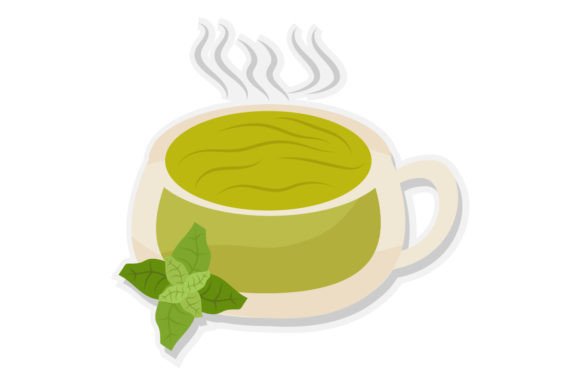
When you first open the folder containing Peppermint Tea Sticker, the immediate feeling is one of calm and refreshment. The concept taps directly into the growing trend of self-care and comfort. It does not scream for attention with chaotic patterns; instead, it whispers with a clean, inviting aesthetic that suggests a quiet afternoon break. The layout is balanced, likely featuring the classic leafy silhouette associated with peppermint, perhaps with a touch of whimsical lettering or a simple tea cup element.
This visual personality makes it an instant fit for specific niches. It feels at home on a linen apron hanging in a rustic kitchen or stitched onto a soft cotton tee for a yoga instructor. The design carries a "crafted" vibe that appeals to buyers looking for authenticity. Unlike generic clip art, a well-executed embroidery file like this creates a sense of warmth and intentionality. It tells the viewer that care was taken not just in the stitching, but in the selection of the motif itself.
Real-World Application: From File to Finished Product
Let's talk about a scenario many of us face: preparing a custom order for a local coffee shop owner who wants branded merchandise for their new seasonal blend. You pull up Peppermint Tea Sticker to test it on a heavy-duty canvas tote bag. The transition from the digital preview to the physical stitch is where the magic happens.
In this context, the design excels as a signature mark. Because it is relatively contained, it looks crisp on the side pocket of a tote bag without overwhelming the fabric. When I ran a simulation in my mind, imagining the texture of the satin stitches against the woven canvas, the contrast pops beautifully. It transforms a standard utility item into a boutique-quality accessory. Customers do not just see a logo; they see a story of relaxation and quality.
The versatility extends far beyond bags. Imagine Peppermint Tea Sticker embroidered on a baby onesie using soft, pastel threads. The theme aligns perfectly with nursery decor and baby shower gifts. The simplicity of the sticker shape ensures that even when placed on a curved surface like a baseball cap or a beanie, the design remains legible and charming. For Etsy sellers, this is gold. A listing featuring a mockup of this design on a high-end tea towel or a plush throw blanket immediately elevates the perceived value of the entire shop.
Navigating Technical Challenges and Limitations
However, every designer knows that what looks good on a monitor can sometimes struggle on the hoop. While Peppermint Tea Sticker is generally robust, there are scenarios where caution is required. If you are working with a very small hoop size, such as those used for delicate jewelry boxes or tiny wrist cuffs, the intricate details might get lost in the thread density. In these cases, the fine lines could merge, creating a muddy appearance rather than a crisp image.
Fabric choice is equally critical. Textured fabrics like bouclé or heavy denim can distort the geometry of the design, making the "sticker" look less like a precise graphic and more like a rough sketch. Similarly, stretchy knits require careful stabilizer application. Without proper backing, the tension of the machine pulling the thread could cause the fabric to pucker around the edges of the design, ruining the professional finish.
Dense stitch areas within the design need to be monitored closely. If the fill stitch density is too high for the specific thread count you are using, the resulting puckering will make the finished product feel stiff and unnatural. This is particularly important for items that will be washed frequently, such as aprons or work shirts. If the design is too rigid, it may crack or fray over time, leading to unhappy customers and negative reviews.
Strategic Placement for Maximum Impact
To ensure Peppermint Tea Sticker delivers the best results, consider the following placement strategies:
- Center Chest on Sweatshirts: This is the sweet spot for casual apparel. It allows the design to breathe without interfering with seams or zippers.
- Cuff or Pocket on Tote Bags: Placing the design on a smaller area adds a subtle, sophisticated touch that doesn't overpower the bag's utility.
- Corner Accent on Kitchen Towels: A small, refined placement in the corner works wonders for holiday-themed gifts, adding a festive flair without cluttering the text space.
- Back of Caps: For a retro look, placing the design on the back panel of a structured hat can create a unique branding opportunity.
Professional Notes for the Discerning Designer
Before you commit to a large production run or a client project, always perform a rigorous test. Stitch the design on scrap fabric that matches your final material in both weight and texture. This step is non-negotiable for maintaining brand consistency and customer trust. You need to verify that the thread colors provide sufficient contrast against the background, especially if you plan to use dark fabrics.
Inspect the small details closely. Does the running stitch hold up, or does it break? Are the corners sharp enough to maintain the "sticker" aesthetic? Check the stitch density to ensure it is appropriate for the intended garment type. A design meant for a sturdy jacket should have different density settings than one intended for a delicate silk pillow cover.
Furthermore, remember to review the file formats provided—SVG, Transparent PNG, EPS, and DXF. Each serves a different purpose in your workflow. Use the SVG for vector-based scaling if you need to adjust the size before importing, and the DXF for direct machine loading. Always confirm the licensing terms before selling finished products. Ensure that your use of Peppermint Tea Sticker complies with commercial guidelines so you can sell your handmade goods with confidence.
Finally, consider the emotional resonance of your finished product. When a customer receives a gift featuring this design, they should feel the care and precision that went into its creation. By treating the embroidery process with respect and paying attention to the nuances of fabric, thread, and stabilizer, you transform a simple digital file into a cherished keepsake. Whether you are a hobbyist making a birthday present or a small business owner building a brand, Peppermint Tea Sticker offers a versatile foundation for beautiful, functional, and profitable embroidery projects.