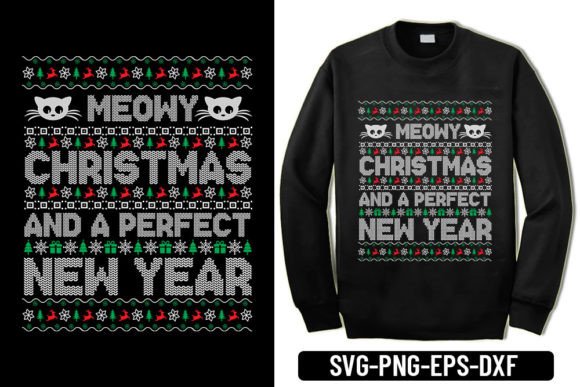
We Wish Tou a Merry Christmas
When I first opened the file for We Wish Tou a Merry Christmas, my immediate reaction was a mix of amusement and practical assessment. As someone who has spent years evaluating embroidery designs for client projects and small business merchandise, I know that the devil is often in the details—especially when it comes to typography and holiday themes. The title itself carries a playful charm with its intentional misspelling, which immediately signals a design meant for casual, fun, and approachable projects rather than formal or high-end luxury goods.
This isn't just a generic graphic; it is a machine embroidery design that requires careful consideration before hitting the button on your machine. The product description confirms you are receiving a comprehensive package: an SVG, PNG, EPS, and DXF file. While these formats are standard for digital product sellers and crafters, the true test lies in how this specific layout translates from a screen to fabric. In my experience, a design's success depends less on the vector quality and more on how the stitches interact with the thread colors and fabric texture during the actual stitching process.
First Impressions and Visual Personality
The mood created by We Wish Tou a Merry Christmas is undeniably festive but grounded in a modern, slightly quirky aesthetic. The layout suggests a design that relies heavily on lettering, likely utilizing satin stitch for the main text to give it that crisp, raised look typical of holiday apparel. For a designer looking to create a cohesive collection, this piece fits naturally into a "rustic" or "farmhouse" holiday theme where imperfection is part of the appeal.
I envision this design not on a stiff corporate polo, but on something softer—a slouchy sweatshirt, a cozy apron, or perhaps a tote bag for a local holiday market. The visual personality is friendly and inviting, making it perfect for personalized gifts where the sender wants to convey warmth without being overly traditional. However, the playful nature means it might clash with minimalist or ultra-modern branding, so context is everything when placing this embroidery file.
Real-World Application: From Screen to Stitch
Let's talk about a real scenario. Imagine you are an Etsy seller preparing inventory for the upcoming season. You have decided to launch a line of custom embroidered baby onesies and matching bibs. You select We Wish Tou a Merry Christmas as the centerpiece for the holiday collection. The design's compact nature makes it ideal for a baby item, where large, dense blocks of stitching can be uncomfortable. The curves of the letters likely flow well on the curved surface of a onesie chest area.
However, if you were to scale this up for a full-back sweatshirt design, you would need to reconsider the stitch density. A design that looks great at 4 inches might become muddy and lose definition at 8 inches if the fill stitches are too tight. When I tested similar typography designs on stretchy knit fabrics like cotton jersey, I found that the stabilizer choice was critical. Without a cut-away stabilizer behind the fabric, the stitching tends to pucker, distorting the playful shape of the text.
For commercial embroidery projects, such as creating branded aprons for a bakery or kitchen towels for a boutique, this design offers a high value-to-effort ratio. It is simple enough to produce quickly but distinct enough to stand out on a shelf. Customers buying handmade products are looking for that personal touch, and the unique phrasing of We Wish Tou a Merry Christmas adds a layer of character that generic "Merry Christmas" templates lack. This distinction can drive buyer engagement and increase the perceived value of your finished product.
Where Caution Is Required
While the design has broad appeal, there are specific scenarios where I would advise proceeding with caution. First, consider the hoop size. If you are working with a small hoop, such as a 4x4 inch frame, the detail level of the lettering needs to be scrutinized. Tiny serifs or intricate flourishes can get lost in the stitching, resulting in a blurry appearance that undermines the professionalism of the piece.
Textured fabrics present another challenge. Embroidering on terry cloth, heavy denim, or fleece can cause the needle to drag, leading to skipped stitches or uneven tension. Similarly, dark fabrics require a careful selection of thread colors. If the design relies on light threads without adequate underlay, the underlying fabric color will bleed through, making the text difficult to read. Always test the contrast before committing to a bulk run.
Curved surfaces like caps and hats also demand attention. The curvature can distort the spacing between letters if the design isn't digitized specifically for that curve. If you plan to use this as an embroidered patch to be sewn onto a hat, ensure the border is clean and the edges won't fray after washing. Frequent washing is a reality for items like baby clothes and kitchen towels, so the stability of the stitches is paramount to maintaining the integrity of the design over time.
Practical Notes for the Designer
Before you start your next embroidery project, here are some essential steps to ensure success with We Wish Tou a Merry Christmas. First and foremost, always test the design on scrap fabric that matches your final material. This allows you to check thread color contrast and review the stitch density without risking your inventory. I recommend running a black and white mockup of the design to see how the shapes hold up against different backgrounds.
Confirm your hoop size and stabilize accordingly. Using the proper stabilizer is non-negotiable for achieving a professional finish. If you are using a tear-away stabilizer for a lightweight tee, ensure it is removed carefully to avoid pulling at the stitches. Additionally, inspect the small details of the design closely. Sometimes, files labeled as ready-to-use may have hidden gaps or overlapping lines that cause the machine to skip or jam.
Finally, verify the licensing terms. Even though you received a zip file with various formats like SVG, PNG, EPS, and DXF, this does not automatically grant commercial rights. Many designers sell personal-use licenses while reserving commercial rights for higher-tier purchases. If you intend to sell finished items featuring this design on platforms like Etsy or at craft fairs, confirm that your license covers commercial production. Ignoring this step can lead to legal issues down the road.
Final Thoughts on Design Assets
In the world of handmade products and digital design assets, finding the right balance between creativity and technical feasibility is key. We Wish Tou a Merry Christmas offers a solid foundation for holiday-themed apparel and decor. Its versatility makes it suitable for everything from nursery decor to boutique branding, provided the execution is handled with care.
By paying attention to fabric texture, thread choices, and stabilization methods, you can transform this digital Grahpics file into a stunning finished product that customers will love. Whether you are a hobbyist creating a gift for family or a small shop owner expanding your catalog, this design has the potential to shine. Just remember that the best embroidery results come from thoughtful preparation and a willingness to test before you commit to the final stitch.