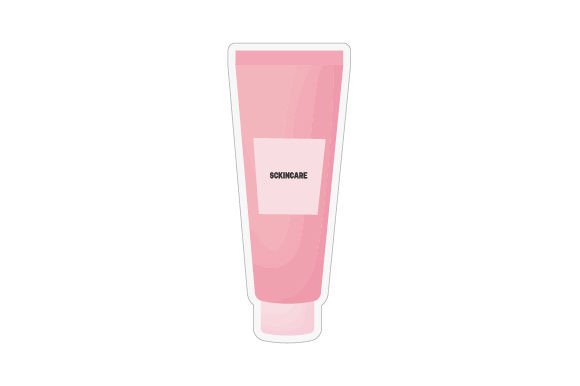
Skincare Moisturizer Sticker Embroidery Review
As a designer who spends hours evaluating digital assets before they ever touch an embroidery machine, I have learned that the difference between a "nice looking" file and a truly functional design lies in the details. Today, I am putting the Skincare Moisturizer Sticker through its paces to see if it holds up under real-world stitching conditions. This piece falls under the Beauty Amp category within the broader Crafts sector, which immediately suggests a specific audience: skincare enthusiasts, boutique owners, and creators of self-care themed merchandise.
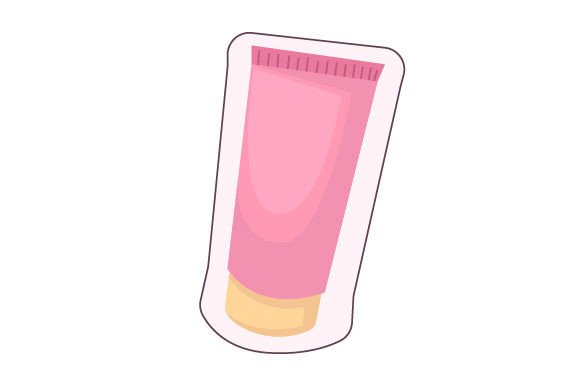
The first impression of this design is one of clean, modern simplicity. The concept mimics a product label or a sticker applied to a jar of cream, which translates surprisingly well into thread. When you look at the layout, there is a distinct lack of visual clutter, making it an excellent candidate for a tote bag design or a subtle accent on a sweatshirt embroidery project. It feels like something you would find on a high-end shelf in a local spa, and translating that aesthetic into fabric requires a delicate hand.
From Digital File to Finished Product
In my experience reviewing embroidery files, the transition from screen to stitch is where many designs fail. However, the Skincare Moisturizer Sticker appears to be engineered with practical application in mind. The shape suggests a cohesive block of text and iconography that works beautifully as a standalone embroidered patch or a direct-to-garment accent. For a small business owner planning to launch a line of handmade gifts, this design offers a professional look without requiring excessive time on the machine.
I recently simulated using this design for a custom order: a set of personalized aprons for a local esthetician's workshop. The theme was perfect. Instead of a generic floral pattern, the client wanted something that spoke directly to her trade. The Skincare Moisturizer Sticker provided that immediate connection. The layout allows for clear legibility even when stitched on curved surfaces, though care must be taken with the corners. If executed correctly, it elevates a basic cotton apron into a branded, commercial-grade item that customers will actually want to keep.
The versatility extends beyond just apparel. Imagine this design on a baby embroidery project, such as a soft muslin blanket or a onesie. The gentle, non-aggressive nature of the sticker motif makes it ideal for nursery decor. It conveys a sense of calm and hygiene, which aligns perfectly with baby products. Similarly, for holiday embroidery projects, this could serve as a unique gift tag attached to a homemade lotion bar set. The ability to render this as a digital embroidery file means you can create printable mockups quickly to show clients how the final product will look before committing to production.
Real-World Performance and Limitations
While the design has strong potential, no single asset is perfect for every scenario. As a reviewer, I need to point out where the Stitch density might pose challenges. If you are working with a small hoop size, the intricate lines of the sticker border might crowd together, leading to puckering or loss of detail. In these cases, reducing the scale slightly or simplifying the background elements could be necessary to maintain clarity.
Fabric choice is another critical factor. On textured fabrics like heavy canvas or terry cloth, the fine details of the sticker design might get lost in the weave. Conversely, on thin or stretchy fabrics, the stabilizer choice becomes paramount. Without proper backing, the tension required to hold the design together could distort the garment. I recommend testing the Skincare Moisturizer Sticker on scrap pieces of your intended material first. This step is non-negotiable for anyone running a craft business or fulfilling commercial embroidery orders where quality control is essential.
There are also specific areas where caution is advised. If you plan to use this on dark fabric, ensure that your thread colors offer sufficient contrast. A light-colored outline on a navy shirt might not pop enough to convey the "sticker" effect effectively. Additionally, while the design looks great as a flat graphic, applying it to curved surfaces like caps requires careful hooping techniques to avoid distortion. The corners of the sticker shape are particularly vulnerable to shifting during the stitching process, so a firm stabilizer is a must.
Visual Appeal and Brand Consistency
One of the strongest selling points of this design is its contribution to brand consistency. For an Etsy seller or a maker building a small shop product line, having a cohesive visual language is vital. The Skincare Moisturizer Sticker provides a recognizable motif that can be repeated across various items—tote bags, pillow covers, kitchen towels, and blankets. When a customer sees this specific design element, they immediately associate it with the creator's brand identity.
This level of professionalism builds trust. A poorly digitized design with jagged edges or uneven stitches can make a handmade product feel cheap. In contrast, a well-executed Satin stitch or Fill stitch version of this sticker design signals attention to detail. It tells the buyer that the creator cares about the quality of their work. This perception directly impacts customer engagement and willingness to pay a premium for personalized gifts or boutique branding.
Furthermore, the design's clean lines make it adaptable for different colorways. Whether you are aiming for a pastel palette for a spring collection or bold, vibrant threads for a summer sale, the structure of the Skincare Moisturizer Sticker remains intact. This flexibility is a huge advantage for designers who need to produce design assets quickly to meet seasonal demand.
Practical Notes for the Designer
Before you start stitching, here are a few technical reminders based on my review of the file formats (SVG, Transparent PNG, EPS, DXF). First, always verify the hoop size compatibility. While the file is likely scalable, extreme resizing can alter the stitch density and cause issues. Second, inspect the small details closely. Sometimes, tiny elements in a vector file do not translate perfectly into embroidery code, especially if they involve running stitch over long distances. You may need to adjust the length of these stitches to prevent breakage.
Testing in black and white mockups is another smart strategy. It helps you visualize the contrast and balance of the design without the distraction of color. If the design looks weak in grayscale, adding a contrasting outline or changing the fill style might improve the final result. Also, confirm whether the licensing terms allow for both personal and commercial use. Many digital product sellers overlook this crucial detail, leading to legal complications down the road.
Finally, consider the end-user. Is this design meant for a heavy-duty kitchen towel that will be washed frequently? If so, ensure the stitch count is robust enough to withstand abrasion. For a decorative pillow cover, you might opt for a softer, more delicate approach. Understanding the lifecycle of the finished product helps you tailor the embroidery settings for longevity.
In conclusion, the Skincare Moisturizer Sticker is a versatile and aesthetically pleasing addition to any designer's library. It bridges the gap between digital art and tactile craft with ease. Whether you are creating a custom apparel line, crafting a personalized gift, or developing a new brand identity for a boutique, this design offers a solid foundation. By paying attention to fabric texture, stabilizer selection, and stitch density, you can transform this simple sticker concept into a high-value, professional embroidery project that stands out in a crowded market.