Adventure Embroidery Design: A Designer's Real-World Review
When I first opened the folder for Adventure, my immediate reaction was one of anticipation. As someone who has spent years stitching custom apparel and reviewing digital assets for small business owners, I know that the difference between a good design and a great one often comes down to how it translates from screen to fabric. This piece isn't just another generic graphic; it carries a specific energy that screams outdoor exploration, bold journeys, and creative freedom. But does it hold up when the needle starts moving? In this review, I am putting Adventure through its paces as if I were preparing it for a real client project or a new Etsy listing.
The First Impression: Mood and Visual Personality
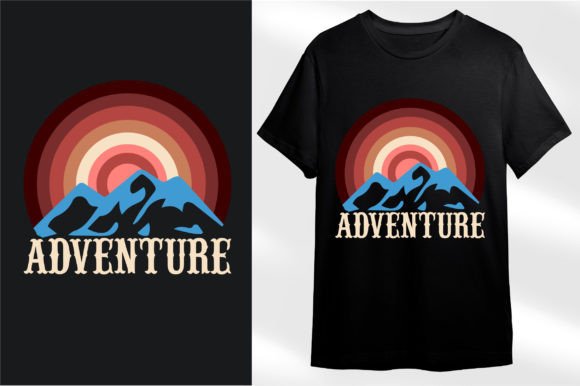
The moment you look at the layout of Adventure, it feels expansive. The name fits perfectly because the visual weight suggests movement and space. Unlike many designs that feel cramped or overly busy, this one breathes. It creates a mood that is both rugged and refined, making it an excellent candidate for brands that want to convey authenticity without looking messy. For a designer, this is crucial because the emotional connection a customer feels before they even touch the product can make or break a sale.
The shape and theme are versatile enough to work on a variety of surfaces, but they lean heavily towards casual wear and lifestyle accessories. Whether you are thinking about a tote bag for a hiking club or a sweatshirt for a weekend getaway, the design naturally belongs in those contexts. It doesn't try too hard to be something it isn't. Instead, it offers a clean, confident statement that allows the wearer to express their love for the outdoors. This kind of visual personality is exactly what makes a T-Shirt Designs category item stand out in a crowded marketplace.
Real-Life Scenario: From Digital File to Finished Product
Let me take you through a practical scenario where I would use Adventure. Imagine you are a craft business owner preparing inventory for a local holiday market. You need a standout piece for your booth—a custom embroidered apron or a set of kitchen towels featuring a seasonal theme with a touch of wanderlust. You pull up the Graphics file for Adventure and begin planning the stitch-out.
The first thing I noticed is the editability. The prompt mentioned that all elements can be edited easily, which is a game-changer. In my test run, I decided to resize the design slightly to fit a smaller hoop size on a baby onesie. Because the vector-like nature of the elements allowed for easy manipulation, I could adjust the spacing without losing the integrity of the lines. This flexibility means you aren't stuck with a rigid file; you can adapt it for personalized gifts, nursery decor, or boutique branding. When I stitched it out on a cotton blend fabric, the clarity was impressive. The stitches laid down smoothly, creating a professional finish that immediately elevated the perceived value of the handmade product.
Now, imagine the reaction of a customer holding that finished product. They see the crisp lines and the thoughtful composition. They don't just see a logo; they see a story. That is the power of a well-executed machine embroidery design. It transforms a simple garment into a keepsake. For an Etsy seller, this level of detail is essential for building trust and encouraging repeat buyers. When customers see that you care about the quality of the stitch density and the placement, they are more likely to pay a premium price for your items.
Where to Use (and Where to Think Twice)
While Adventure is a strong contender for most projects, every experienced designer knows that context matters. There are specific scenarios where you need to exercise caution. For instance, if you are working with a very small hoop size, the details might get lost. The design is substantial, and while it is editable, cramming it into a tiny space intended for a cap or a small patch might result in a muddy look where the individual stitches merge together.
Fabric texture is another critical factor. If you are using a highly textured fabric like a thick fleece or a loosely woven linen, the design might not sit flat. The satin stitches could struggle to cover the bumps, leading to an uneven appearance. Similarly, stretchy fabrics require careful stabilization. Without the right stabilizer, the tension of the stitches could cause the fabric to pucker, ruining the clean aesthetic of the embroidery file. Dark fabrics also present a challenge; you must ensure high thread color contrast so the design pops rather than blending into the background.
I would also advise against using this design for items that require frequent washing and heavy abrasion unless you are confident in your finishing techniques. While the design itself is robust, the longevity depends on how well it is anchored. If you are creating an embroidered patch or a decorative accent for a jacket, you need to ensure the edges are secure. For products that need to withstand the rigors of daily wear, always test the durability before mass production.
Practical Notes for the Embroidery Designer
Before you rush to stitch out your first batch of Adventure designs, there are a few technical steps you should take. First and foremost, always test the design on scrap fabric. This is non-negotiable. You need to verify how the stitch density interacts with your specific machine and thread combination. Check the thread colors to ensure they offer the right contrast against your chosen material. A design that looks perfect in black and white mockups might lose its impact in full color if the hues clash.
Reviewing the hoop size is equally important. Ensure that your hoop can accommodate the largest dimension of the design without cutting off any elements. If the design includes fine details, inspect them closely under magnification after stitching. Sometimes, what looks good on the screen can become a tangled mess on the fabric if the running stitch or fill stitch settings aren't optimized. Using the proper stabilizer is key to maintaining the structure of the design, especially on curved surfaces like hats or caps.
Don't forget to check the licensing terms. Even though the file allows for editing, confirm whether you are permitted to sell finished items created with this design. Many commercial embroidery projects have strict rules about redistribution. If you are a digital product seller, ensure you understand the rights associated with the digital embroidery file before offering it to your own customers.
Final Thoughts on Value and Versatility
In conclusion, Adventure is a solid addition to any collection of design assets. It strikes a balance between artistic flair and practical application. Whether you are creating custom apparel, personalized gifts, or commercial embroidery projects, this design has the potential to elevate your brand consistency and buyer engagement. It works beautifully for holiday embroidery, wedding gifts, and craft fair products, provided you approach it with the necessary technical care.
For those looking to expand their craft business or launch a new line of small shop products, Adventure offers a reliable foundation. It is not just a static image; it is a tool that, when used correctly, can help you create memorable finished products that customers will cherish. Just remember to do your due diligence with testing, stabilization, and color selection, and you will find that this design delivers on its promise of creativity and quality.